
Types of Hydraulic Pumps and Their Maintenance – A Guide to Professional Operation
The reliability and efficiency of hydraulic systems fundamentally depend on the proper hydraulic pump. These components convert mechanical energy into hydraulic energy, ensuring the precise and safe operation of various machines and equipment.
But what types of professional hydraulic pumps exist, how do they work, and what should you pay attention to when maintaining them? In this article, we answer these questions, present the most commonly used solutions, and share useful tips that help maximize the lifespan of hydraulic pumps.

Main Types of Hydraulic Pumps
One of the most widely used hydraulic pumps is the gear pump, which is an ideal choice for many hydraulic systems thanks to its simple design and reliable operation.
The movement of the gears creates a vacuum in the suction chamber, drawing hydraulic fluid into the pressure chamber. These pumps are characterized by excellent pressure capacity and compact size, making the industrial gear-type hydraulic pump particularly popular.
A radial piston pump generates the required volume changes with the help of pistons. The pistons are typically arranged radially and their movement is ensured by an eccentric ring.
Compared to gear pumps, this type can produce higher pressures and provides consistent performance even under heavy loads, which is why it is widely used in industrial applications.
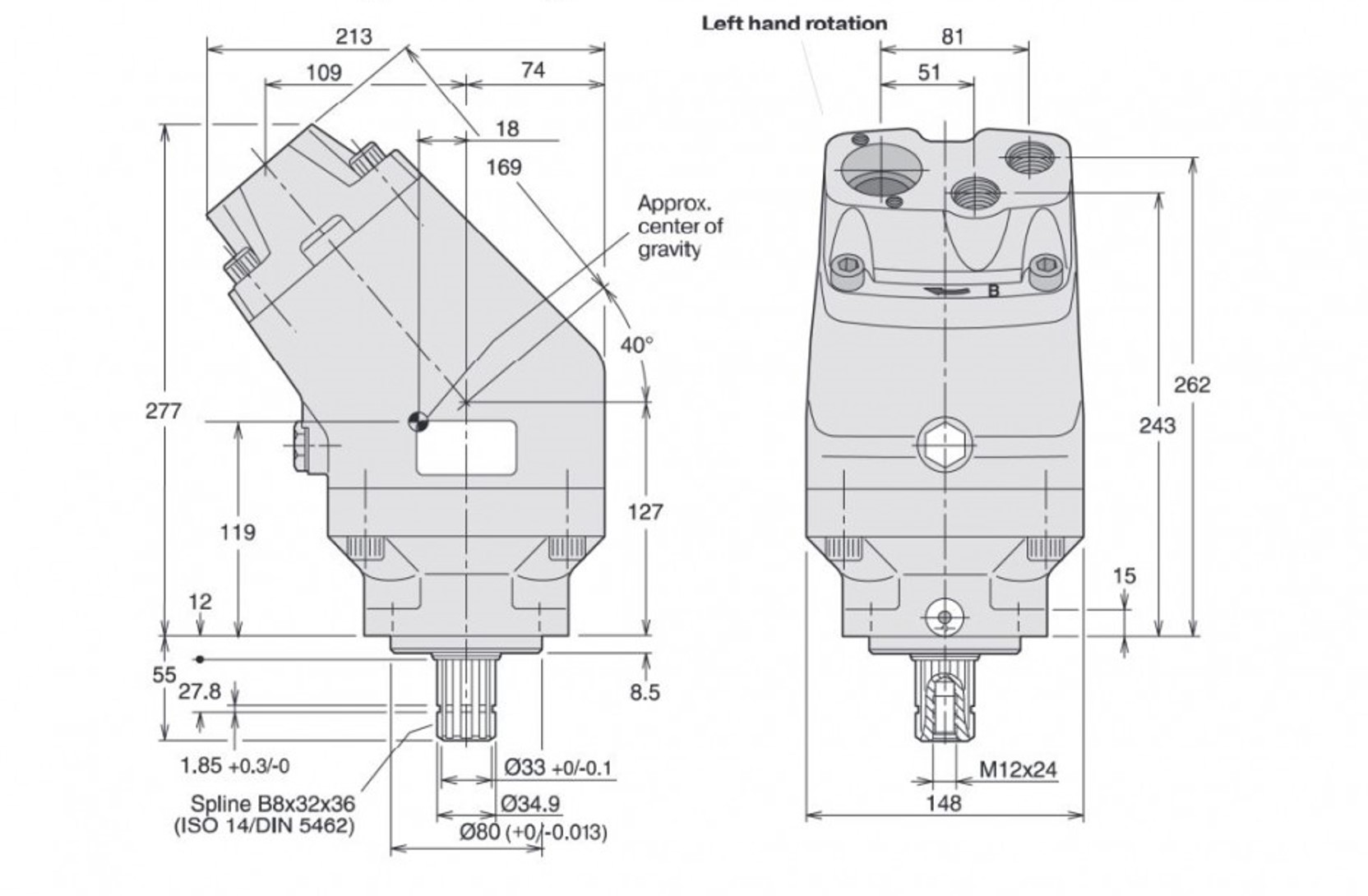
Axial piston pumps also utilize pistons to create hydraulic flow, but in this case, the pistons move axially rather than radially. These models can be fixed or variable displacement, which broadens their range of applications. After gear pumps, axial piston pumps are among the most popular hydraulic pump types.
Vane and Screw Pumps
A vane pump consists of a rotor and a stator ring, working together to deliver hydraulic fluid smoothly. Although its efficiency may be slightly lower than that of other types, its quiet operation and consistent flow make it advantageous in a wide variety of applications.
Screw pumps are also known for their low noise level, and they provide extremely smooth fluid delivery. They are particularly suitable for systems where noise reduction is crucial and where high, constant system pressure must be maintained.
Both options can be excellent choices for users who require reliable long-term performance.
Hydraulic Pump Maintenance and Preventing Failures
The lifespan and performance of a hydraulic pump largely depend on proper maintenance. The most common failures are typically related to hydraulic fluid: using an incorrect type of oil, infrequent replacement, or unsuitable viscosity are frequent root causes. It is always advisable to use the type recommended by the manufacturer, regularly check the oil level, and ensure periodic replacement.
If the pump overheats, leaks, or makes unusual noises, it is essential to have it inspected as soon as possible.
If you have any questions about the topic, feel free to contact us our experts are ready to help with professional advice!

