
Hydraulic Pump – What You Should Know
Hydraulic systems have long been a cornerstone of industrial and machine manufacturing solutions: with their high performance, precise controllability, and long service life, they have proven themselves in many areas. The heart or rather the soul of these systems is the hydraulic pump, which creates the necessary pressure by circulating the fluid.
That is why it is crucial to choose the right type of pump and ensure it fits the tasks to be performed. In this blog post, we have summarized the most commonly used pump types, their operating principles, and the key points related to preventing and repairing failures.

Types of Hydraulic Pumps and Their Operation
Among hydraulic pumps, the gear pump is considered the simplest and most widespread. Due to its compact size and low weight, it is easy to handle and also offers a favorable price-to-value ratio.
The operation of a gear hydraulic pump is based on the rotating gears inside, which create a vacuum in the suction chamber, thereby moving the hydraulic fluid. With this solution, a certain pressure level can be reliably maintained, which for basic tasks remains sufficient even during continuous operation.
The radial piston pump moves fluid by the displacement of pistons arranged radially. The pistons are driven by the so-called eccentric ring, which causes the necessary volume changes, creating high-pressure fluid flow. This type proves especially effective in heavy-duty applications.
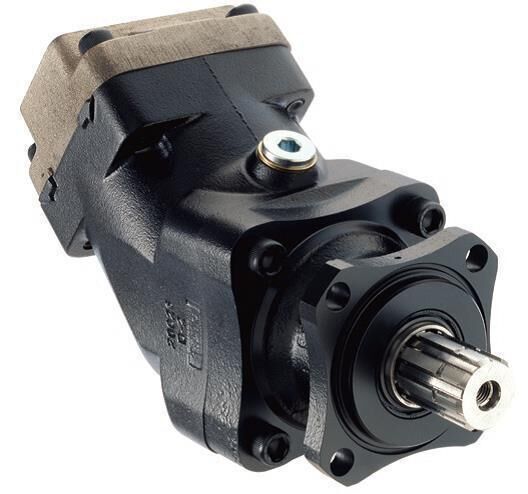
The axial piston pump differs from the former in that the pistons are positioned parallel to the shaft, and movement is generated by the action in the cylinder. This is an extremely flexible solution, ideal even for systems promising high performance.
The vane pump should also be mentioned, consisting of multiple parts where the vanes of the rotor ensure even fluid delivery. Its efficiency is lower than the previous types, but its operation is significantly quieter, making it recommended for lower-performance systems where noise level is an important factor.
Typical Failures and Their Prevention
The lifespan of hydraulic pumps largely depends on the handling of the hydraulic fluid. The most common causes of failures include too infrequent fluid replacement, an improperly chosen type, or an operating temperature higher than prescribed.
If the system consistently overheats above 60 °C, components wear out faster, the viscosity of the fluid decreases, and performance deteriorates. To avoid problems, regular inspections and strict adherence to manufacturer instructions are essential.
Repair or Replacement?
If the hydraulic pump heats up faster than usual, it often indicates that air has entered the system or that the oil level is too low. In such cases, the first step is bleeding the system and replenishing the oil.
In the event of an oil leak, the steps to follow depend on the pump type. For an industrial gear hydraulic pump, it is usually best to replace the entire unit, as it cannot be economically repaired.
However, with the generally more expensive piston models, it is often sufficient to replace the pistons, the seal kit, or the control plate. If you have questions about the topic, feel free to contact our colleagues!

